
By Dr. Manoj Shrivastav
Liver Transplant Surgeon in Pune | Liver Specialist in Pune
CLDT – The GLID Center, Pune | Leading Liver Transplant Hospital in Pune
Introduction: Understanding Elevated Liver Enzymes
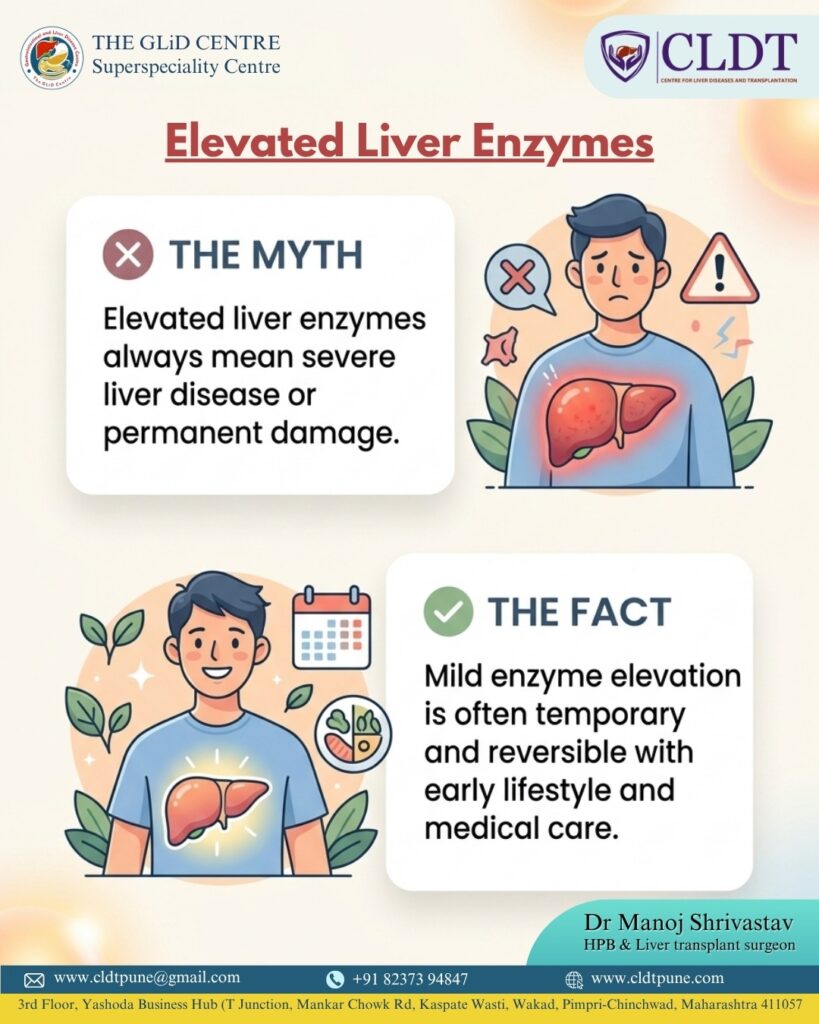
Elevated liver enzymes are a common finding in routine blood tests, yet they often cause unnecessary panic among patients. Many people assume that high liver enzyme levels always indicate severe liver damage or irreversible disease. However, this is a myth.
In reality, mild elevation in liver enzymes is often temporary and reversible, especially when detected early and managed appropriately.
At CLDT – The GLID Center, Pune, under the expertise of Dr. Manoj Shrivastav, patients receive advanced evaluation and personalized treatment for liver-related conditions, ensuring early diagnosis and better outcomes.
The Myth: Elevated Liver Enzymes Always Mean Severe Liver Disease
Many patients believe that elevated liver enzymes automatically indicate serious liver damage or permanent liver disease. This misunderstanding leads to anxiety and delays in proper medical evaluation.
Why This Is a Myth
Elevated liver enzymes can occur due to several temporary or manageable causes, including:
- Fatty liver disease
- Viral infections
- Certain medications
- Alcohol intake
- Obesity
- Poor diet
- Intense physical exercise
- Temporary inflammation
In many cases, early intervention and lifestyle modification can normalize enzyme levels without long-term complications.
The Fact: Mild Elevation Is Often Temporary and Reversible
The truth is that mild liver enzyme elevation does not always indicate permanent damage. With early diagnosis and proper treatment, many patients recover completely.
Common Reversible Causes
- Fatty liver disease (Non-alcoholic fatty liver disease – NAFLD)
- Medication-related liver stress
- Alcohol-related liver inflammation
- Viral hepatitis (in early stages)
- Metabolic disorders
- Obesity and insulin resistance
At CLDT – The GLID Center, Pune, detailed investigations help identify the exact cause and guide effective treatment.
The Myth: Elevated Liver Enzymes Always Mean Severe Liver Disease
Many patients believe that elevated liver enzymes automatically indicate serious liver damage or permanent liver disease. This misunderstanding leads to anxiety and delays in proper medical evaluation.
Why This Is a Myth
Elevated liver enzymes can occur due to several temporary or manageable causes, including:
- Fatty liver disease
- Viral infections
- Certain medications
- Alcohol intake
- Obesity
- Poor diet
- Intense physical exercise
- Temporary inflammation
In many cases, early intervention and lifestyle modification can normalize enzyme levels without long-term complications.
The Fact: Mild Elevation Is Often Temporary and Reversible
The truth is that mild liver enzyme elevation does not always indicate permanent damage. With early diagnosis and proper treatment, many patients recover completely.
Common Reversible Causes
- Fatty liver disease (Non-alcoholic fatty liver disease – NAFLD)
- Medication-related liver stress
- Alcohol-related liver inflammation
- Viral hepatitis (in early stages)
- Metabolic disorders
- Obesity and insulin resistance
At CLDT – The GLID Center, Pune, detailed investigations help identify the exact cause and guide effective treatment.
What Are Liver Enzymes?
Liver enzymes are proteins produced by liver cells that help with important body functions such as metabolism and detoxification.
Important Liver Enzymes Include:
- ALT (Alanine Aminotransferase) – Indicates liver cell damage
- AST (Aspartate Aminotransferase) – May rise in liver or muscle injury
- ALP (Alkaline Phosphatase) – Associated with bile ducts
- GGT (Gamma-Glutamyl Transferase) – Linked to bile duct and alcohol-related issues
Elevated levels may indicate inflammation, injury, or stress to the liver.
Symptoms Associated With Elevated Liver Enzymes
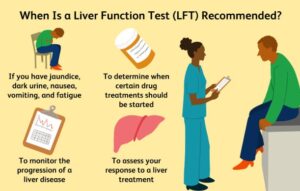
Many individuals do not experience symptoms, especially in early stages. However, warning signs may include:
- Fatigue
- Loss of appetite
- Nausea
- Abdominal discomfort
- Yellowing of skin or eyes (Jaundice)
- Dark urine
- Swelling in abdomen
If these symptoms occur, immediate consultation with a liver specialist in Pune is recommended.

When Should You Be Concerned?
While mild elevation is often reversible, persistent or significantly high enzyme levels require further evaluation.
Seek Medical Advice If:
- Liver enzyme levels remain elevated for more than 3 months
- Levels increase significantly
- Symptoms of liver disease appear
- You have a history of liver disease
- You consume alcohol regularly
- You are overweight or diabetic
Early diagnosis helps prevent complications and improves treatment outcomes.
Diagnosis of Elevated Liver Enzymes
At CLDT – The GLID Center, Pune, a structured diagnostic approach is followed to determine the underlying cause.
Diagnostic Tests May Include:
- Liver Function Tests (LFT)
- Ultrasound Abdomen
- Fibroscan
- Viral Hepatitis Tests
- CT Scan or MRI (if required)
- Liver Biopsy (in specific cases)
These investigations help detect liver damage early and guide treatment.
Treatment Options for Elevated Liver Enzymes
Treatment depends on the underlying cause and severity of liver involvement.
Common Treatment Approaches
- Lifestyle modification
- Weight management
- Alcohol restriction
- Medication adjustments
- Antiviral therapy (if hepatitis present)
- Treatment of metabolic disorders
- Advanced liver care in severe cases
In advanced liver disease, liver transplantation may be required, which is performed with high expertise at CLDT – The GLID Center, a leading liver transplant hospital in Pune.

Lifestyle Tips to Maintain Healthy Liver Enzymes
Maintaining liver health is essential for preventing complications.
Recommended Lifestyle Practices
✔ Maintain healthy body weight
✔ Follow a balanced diet
✔ Avoid excessive alcohol
✔ Exercise regularly
✔ Stay hydrated
✔ Avoid self-medication
✔ Get routine health checkups
These simple steps significantly reduce the risk of liver disease.
Why Choose CLDT – The GLID Center, Pune?
CLDT – The GLID Center is recognized as a leading liver transplant center in Pune, offering comprehensive liver care.
Key Highlights:
- Advanced liver diagnostics
- Expert liver transplant services
- Multidisciplinary treatment approach
- Personalized patient care
- State-of-the-art infrastructure
- High success rate in liver transplantation
Under the leadership of Dr. Manoj Shrivastav, patients receive world-class treatment and compassionate care.
Conclusion: Early Detection Makes a Difference
Elevated liver enzymes are not always a sign of severe liver disease. In many cases, they are temporary and reversible with early intervention and proper care.
If you have elevated liver enzymes or symptoms of liver disease, timely consultation with a liver specialist in Pune can help prevent complications and ensure better health outcomes.
About Dr. Manoj Shrivastav
Dr. Manoj Shrivastav is a highly experienced Liver Transplant Surgeon in Pune specializing in:
- Liver Transplantation
- Hepato-Pancreato-Biliary (HPB) Surgery
- Liver Disease Management
- Advanced Liver Care
He practices at CLDT – The GLID Center, Pune, a trusted liver transplant hospital and center in Pune, offering comprehensive liver treatment services.