The liver is one of the most important organs in the human body. It performs hundreds of essential functions, including processing nutrients, producing bile, regulating metabolism, and removing harmful substances from the bloodstream. Despite its remarkable natural abilities, many people believe they need special detox drinks, herbal supplements, or cleansing diets to keep their liver healthy.
From lemon water and green juices to expensive detox products, the idea of cleansing the liver has become increasingly popular. But do these methods actually work?
Understanding the facts about liver detoxification can help you make informed decisions about your health and avoid unnecessary treatments.
At GLID Centre, Pune, patients can seek specialist guidance for liver-related conditions, including fatty liver disease, cirrhosis, and other complex liver disorders.
What Is Liver Detoxification?
Liver detoxification is the natural process through which the liver processes substances such as medications, alcohol, and metabolic waste products, helping the body eliminate them safely.
The liver continuously performs this function without requiring special cleansing products.
It works alongside the kidneys, digestive system, and other organs to maintain the body’s internal balance.
When the liver is healthy, its natural detoxification processes function efficiently. However, certain conditions, including viral hepatitis, excessive alcohol consumption, metabolic dysfunction, and advanced liver disease, may affect its ability to perform these tasks.
This is why maintaining good liver health is more important than following temporary detox trends.
Do Liver Detox Drinks Really Work?
There is currently no convincing scientific evidence that commercial detox drinks or special liver cleanses remove toxins more effectively than the body’s normal processes.
Commonly promoted detox beverages include lemon water, green vegetable juices, herbal teas, and fruit-based cleansing drinks.
Although these beverages may provide water, vitamins, or other nutrients, they do not specifically cleanse or repair damaged liver tissue.
For example, drinking lemon water can contribute to daily hydration, but it does not reverse fatty liver disease or treat cirrhosis.
Similarly, vegetable juices may be part of a balanced diet, but they should not replace complete meals or prescribed treatment.
The most effective approach to supporting liver health involves sustainable dietary and lifestyle improvements rather than short-term cleansing routines.
Common Liver Detox Myths and Facts
Myth 1: Detox Drinks Remove Toxins From the Liver
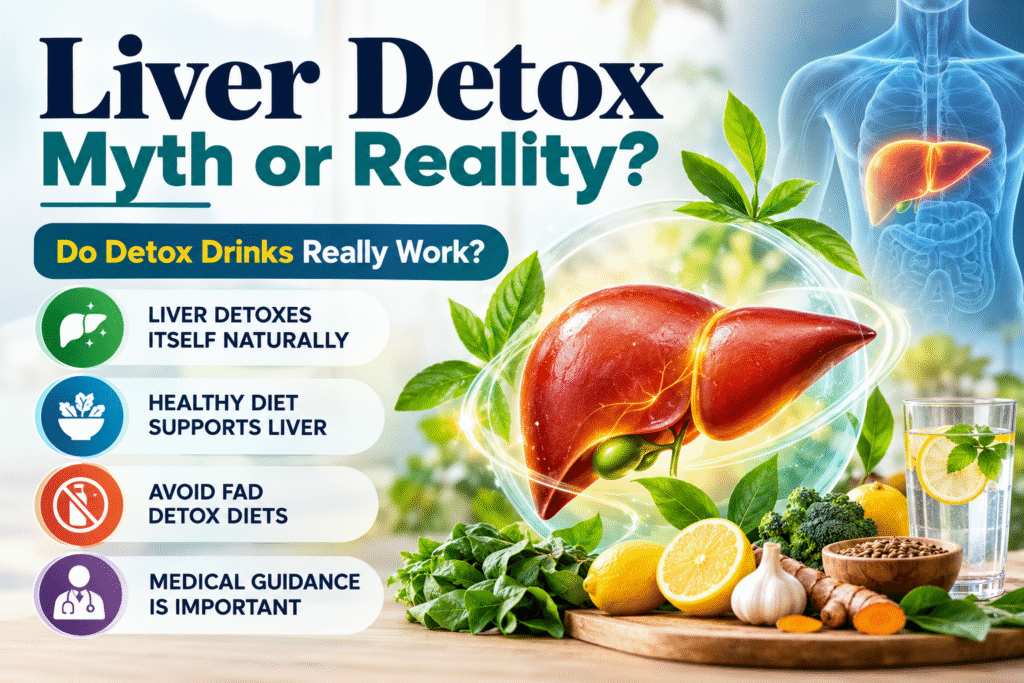
Fact: The liver naturally processes harmful substances through complex biological mechanisms. There is no reliable evidence that special detox beverages accelerate these processes in healthy individuals.
Myth 2: Fasting Helps Cleanse the Liver
Fact: Prolonged fasting and extreme calorie restriction can cause nutritional deficiencies, weakness, and dehydration. Individuals with existing liver disease may face additional risks.
Myth 3: Herbal Detox Supplements Are Always Safe
Fact: Some herbal supplements may interact with medications or cause liver injury. Natural ingredients are not automatically harmless.
Myth 4: A Liver Cleanse Can Reverse Liver Damage
Fact: Conditions such as fatty liver disease, hepatitis, and cirrhosis require appropriate medical evaluation and management. A detox drink cannot replace evidence-based treatment.
Myth 5: Healthy People Need Regular Liver Cleansing
Fact: A healthy liver continuously performs its normal metabolic and detoxification functions. Routine commercial cleansing is generally unnecessary.
How Can You Naturally Support Liver Health?
Instead of relying on detox products, focusing on everyday health habits can help protect your liver over time.
1. Eat a Balanced and Nutritious Diet
A well-balanced diet provides essential nutrients that support normal liver function.
Include vegetables, fruits, whole grains, pulses, nuts, and appropriate sources of lean protein in your daily meals.
Limiting excess added sugar, highly processed foods, and unhealthy fats may also help maintain metabolic health.
A healthy diet for liver function is based on balanced nutrition rather than one particular food or beverage.
2. Maintain a Healthy Body Weight
Excess body weight, particularly abdominal fat, is associated with a higher risk of metabolic dysfunction-associated steatotic liver disease, commonly known as fatty liver disease.
Gradual weight management through nutrition and exercise may improve liver fat levels in appropriate patients.
However, individuals with advanced liver disease should follow a personalized nutrition plan.
3. Stay Physically Active
Regular physical activity supports metabolic health and helps manage body weight.
Walking, cycling, swimming, and other suitable activities can contribute to better overall health.
Adults can generally aim for at least 150 minutes of moderate-intensity physical activity per week, depending on their medical condition and ability.
4. Limit or Avoid Alcohol
Alcohol can damage liver cells and contribute to inflammation, scarring, and cirrhosis.
Avoiding alcohol is especially important for people with alcohol-related liver disease, cirrhosis, or other conditions where their doctor recommends abstinence.
5. Avoid Unnecessary Supplements
Certain bodybuilding products, herbal remedies, and unregulated health supplements can cause medication interactions or liver-related complications.
Always discuss new supplements with a qualified healthcare professional, particularly if you have an existing liver condition.
6. Schedule Medical Checkups When Appropriate
People with obesity, diabetes, metabolic disorders, viral hepatitis, significant alcohol exposure, or a family history of certain liver diseases may benefit from medical evaluation.
A doctor may recommend liver function tests, imaging, or additional investigations based on individual risk factors and symptoms.
Can Detox Diets Harm Your Liver?
Although many detox programs are promoted as natural wellness solutions, some may cause more harm than benefit.
Highly restrictive diets can lead to inadequate protein and calorie intake, dehydration, or electrolyte disturbances.
Certain detox supplements may also cause drug-induced liver injury.
Individuals with fatty liver disease, hepatitis, or advanced liver conditions should be particularly cautious about following unverified cleansing programs.
The safest approach is to discuss dietary changes, fasting routines, and supplements with a qualified healthcare provider before starting them.
When Should You Consult a Liver Specialist?
Liver diseases may develop without noticeable symptoms, especially during their early stages.
However, certain symptoms require timely medical attention.
These may include:
- Persistent fatigue or unexplained weakness
- Yellowing of the eyes or skin
- Swelling of the abdomen or legs
- Unexplained loss of appetite
- Persistent nausea or abdominal discomfort
- Dark urine or unusually pale stools
These symptoms can have several causes and do not always indicate liver disease. However, appropriate medical evaluation can help identify the underlying problem.
New confusion, vomiting blood, or severe abdominal symptoms require urgent medical care.
A liver specialist in Pune can assess symptoms, review medical history, and recommend investigations or treatment where necessary.
Expert Liver Care at GLID Centre, Pune
For individuals concerned about liver health, obtaining reliable medical information is important.
GLID Centre, associated with the Centre for Liver Disease and Transplantation (CLDT), provides specialized services related to liver diseases and transplantation in Pune.
Dr. Manoj Shrivastav, an HPB and Liver Transplant Surgeon, is associated with the centre and provides specialized surgical evaluation for complex liver, bile duct, and pancreatic conditions.
Patients requiring liver disease treatment in Pune can seek appropriate assessment and guidance based on their symptoms, medical history, and diagnostic findings.
The centre serves patients from Wakad, Pimpri-Chinchwad, and surrounding areas of Pune.
Frequently Asked Questions About Liver Detox
1. Is liver detox a myth or reality?
The liver naturally performs detoxification functions. However, claims that special drinks, cleanses, or supplements can significantly enhance these processes are not supported by strong scientific evidence.
2. What is the best drink for liver health?
Water is a practical choice for maintaining normal hydration. Unsweetened beverages can also form part of a balanced diet. No single drink can cure liver disease or replace medical treatment.
3. Can lemon water detox the liver?
Lemon water may support hydration and provide a small amount of vitamin C, but there is no convincing evidence that it specifically detoxifies the liver or reverses liver damage.
4. Can fatty liver be reversed naturally?
Liver fat and inflammation may improve with sustainable lifestyle changes, particularly weight management, balanced nutrition, and physical activity. The extent of improvement depends on the disease stage and individual health factors.
5. How do I know if my liver is healthy?
Liver health cannot always be determined through symptoms alone. Medical history, blood tests, imaging, and other investigations may be recommended when clinically appropriate.
6. Where can I consult a liver specialist in Wakad, Pune?
Patients experiencing liver-related symptoms or seeking an assessment can contact GLID Centre / CLDT in Wakad, Pune, for information about available specialist consultations.
Conclusion
The idea of liver detoxification is often misunderstood. While the liver naturally removes and processes potentially harmful substances, there is no proven need for commercial detox drinks or extreme cleansing diets in otherwise healthy individuals.
Long-term habits such as balanced nutrition, physical activity, appropriate weight management, and avoiding harmful substances provide a more reliable foundation for liver health.
If you have concerns about liver function, abnormal test results, or persistent symptoms, professional medical guidance can help determine the next steps.
For liver health evaluation and specialist guidance, contact GLID Centre / CLDT, Pune.
Website: https://cldtpune.com/
Location: Yashoda Business Hub, Mankar Chowk Road, Kaspate Wasti, Wakad, Pimpri-Chinchwad, Pune, Maharashtra 411057.
Medical disclaimer: This article is intended for general health education and does not replace individualized medical advice, diagnosis, or treatment.