
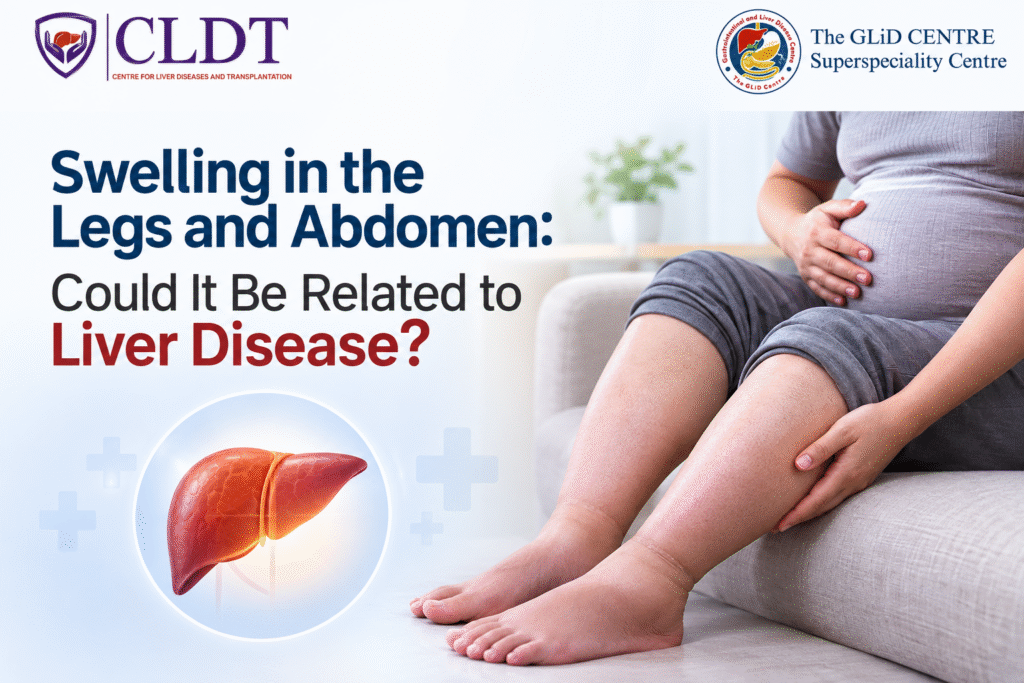
Swelling in the legs, feet, ankles, or abdomen can have several possible causes. In some cases, however, persistent swelling may be associated with an underlying liver disease. The liver plays an important role in maintaining protein levels, fluid balance, and healthy blood flow. When liver function is significantly affected, fluid may sometimes accumulate in different parts of the body.
If you notice unexplained or persistent swelling, it is important not to ignore it. Understanding the possible connection between swelling and liver health can help you seek appropriate medical evaluation.
At Dr. Manoj Shrivastav, Pune, patients can receive specialist evaluation for a range of liver-related conditions and concerns.
How Can Liver Disease Cause Swelling?
Advanced or significant liver damage can affect the body’s ability to regulate fluids. Several changes may contribute to swelling:
1. Reduced Albumin Levels
The liver produces albumin, an important protein that helps keep fluid within the blood vessels. When albumin levels become low due to impaired liver function, fluid may leak into surrounding tissues, potentially causing leg swelling or swelling in other areas.
2. Increased Pressure in Liver Blood Vessels
Certain chronic liver conditions can increase pressure in the blood vessels connected to the liver. This may contribute to fluid accumulation, particularly in the abdomen.
3. Salt and Water Retention
Changes in liver function and circulation may affect how the body handles salt and water. This can sometimes lead to excess fluid retention and noticeable swelling.
Swelling in the Abdomen: What Is Ascites?
A buildup of excess fluid inside the abdomen is known as ascites. It can cause the abdomen to appear enlarged or feel tight and uncomfortable.
Ascites can occur in people with advanced liver disease, although abdominal swelling may also have other causes. A medical evaluation is necessary to determine the reason for the fluid buildup.
Possible symptoms that may occur along with abdominal swelling include:
- A gradual increase in abdominal size
- A feeling of heaviness or fullness
- Weight gain related to fluid accumulation
- Reduced appetite
- Shortness of breath in some cases due to significant abdominal distension
These symptoms do not automatically mean that a person has liver disease, but persistent or worsening symptoms should be assessed by a qualified healthcare professional.
Why Do the Legs and Feet Swell?
Swelling in the legs and feet, also called peripheral edema, may develop when excess fluid collects in the tissues. Liver disease is one possible cause, but many other health conditions can also lead to leg swelling.
For example, swelling may be associated with heart, kidney, vein-related, medication-related, or other medical conditions. Therefore, self-diagnosis should be avoided.
A proper evaluation may help identify the underlying cause and guide appropriate treatment.
Other Symptoms That May Need Attention
Depending on the underlying condition, swelling may occur along with other symptoms such as:
- Persistent fatigue or weakness
- Yellowing of the skin or eyes (jaundice)
- Loss of appetite
- Nausea
- Unexplained weight changes
- Abdominal discomfort
- Easy bruising or bleeding
- Changes in mental alertness or unusual confusion
The presence of one or more of these symptoms does not confirm liver disease, but medical assessment can help determine the cause.
When Should You Consult a Liver Specialist?
You should consider seeking medical advice if swelling is persistent, unexplained, worsening, or accompanied by other concerning symptoms.
A specialist may recommend appropriate tests based on your symptoms and medical history. These may include blood tests, imaging studies, or other investigations when clinically necessary.
For people looking for evaluation and guidance regarding liver disease in Pune, Dr. Manoj Shrivastav, Pune provides specialist consultation for liver-related conditions. An individual assessment is important because the cause and appropriate management can vary from person to person.
Can Swelling Improve with Treatment?
Management depends entirely on the underlying cause. If swelling is related to a liver condition, treatment may focus on managing the underlying disease and addressing fluid retention under medical supervision.
Depending on the individual’s condition, a doctor may recommend dietary modifications, medications, monitoring, or other appropriate treatment options. It is important not to start diuretics or make major dietary changes without medical guidance.
Early evaluation may help identify the cause of swelling and support timely management.
Take Persistent Swelling Seriously
Swelling in the legs or abdomen should not be ignored, especially when it is persistent or increasing. While liver disease can be one possible cause, other medical conditions may also be responsible.
If you are experiencing unexplained swelling or have concerns about your liver health, consult a qualified medical professional for proper evaluation. Dr. Manoj Shrivastav, Pune can provide specialist assessment and guidance based on your individual health needs.
Medical Disclaimer:This article is for general awareness only and is not a substitute for professional medical advice, diagnosis, or treatment. Please consult a qualified healthcare professional for symptoms or health concerns.